
Active listing
For wholesalers, and for people about to be one, who are willing to pick up a phone.
It was never the deal. It was the buyer.
Dayton, OH4 bd · 3 ba$49,999HUD FMR $1,910/mo
HUD Fair Market Rent by zip. Estimate, not cashflow. Verify independently.
3,500 investors paid to learn how to buy Section 8 property. They want 2,500 to 3,000 deals a quarter and there aren’t enough contracts. Watch the video, then apply for a 45-minute call and find out if you can supply it.
45 minutes, by phone or video. Application first, and not everyone is accepted.
Watch this first. It’s the whole argument, and the reason a 45-minute call is worth your afternoon.

The video is not playing right now. Apply anyway and we will send you the link with your confirmation.
What happens on the call.
Three parts, 45 minutes, so nothing on the call is a surprise.
- Where you actually are About fifteen minutes. What you’ve sourced, what died and why, your real hours, which market you can work. No pitch in this part. If you’ve never had a contract, say so. It changes what we talk about and it doesn’t end the call.
- Whether this fits what you can do About twenty minutes. We open the live board together, run a real listing through the buy-box and the HUD rent chart, and I show you what a buyer in that community would do with it. You learn something here whether or not you ever give us a dollar.
- The decision, both ways About ten minutes. If it fits, I walk you through Section 8 Deal Flow, what it costs, the payment plan, and what your first week looks like. If it doesn’t, I say so on the call and tell you what to go do instead. Some people get told no, and that’s the point of a call instead of a checkout.
Who this is for.
You have the skills and none of the exits.
You can find a house and talk to a seller. You’ve had a contract die because the only buyers you knew wanted something else, somewhere else. The finding was never the problem.
You’ve watched forty hours of this and closed nothing.
You know what an assignment is. You’ve never sent one, because starting means finding a buyer and finding a buyer means starting. You’ve been circling that since the spring.
You’re already sourcing, and your buyers all want the same three ZIP codes.
Your list is real, just small and picky, so your pipeline is capped by other people’s appetite. What changes isn’t the sourcing. It’s the room you sell into.
Who this is not for.
Read this part properly. I’d rather lose you here than on the phone.
Not for you if you want passive income.
Sourcing is phone calls. No software finds a house, contracts it and sells it while you sleep.
Not for you if you want it done for you.
We supply the platform, the tools, the AI agents and the buyers. You make the calls. If that sentence disappoints you, don’t book.
Not for you if you can’t commit consistent hours.
Four good hours a week beats twenty in one burst and then nothing for a month.
Not for you if paying for this would be rent money.
The payment plan doesn’t change this answer. If paying for this would put you in a hole, I’ll say no on the call, so save yourself the 45 minutes.
Not for you if you want a mentor to hold your hand through one deal.
This is a sourcing operation with a buyer network attached.
Not for you if you want to argue with the buy‑box.
24 states, under $300K, no condos, no HOA. Those are the buyers’ rules, not mine.
“Not sourcing yet” and “brand new” are fine answers. “I won’t make calls” is the only wrong one.
45 minutes. If you’re not right for this, I’d rather say so than take your money.
You know the moment.
The seller says yes. You get it signed at 9:40 on a Tuesday night, and for about four minutes you feel like you finally did it.
Then you open your phone and scroll to the buyer list. Eleven names. Nine of them are people you met once in a Facebook group.
You send the address to all eleven.
Not my area.
Send me the numbers.
What’s the ARV?
And then, nothing.
You follow up Thursday. You follow up Sunday. Your inspection period runs out on the fourteenth and you tell the seller something came up.
Never had one signed? Stay with me. This is the same reason you haven’t.
It’s not your market. It’s not your scripts. It’s not your budget, your CRM, or the fact that somebody in your city has more followers. And it is definitely not you.
It’s the order.
You were told to find a house and then go find a buyer. Every course teaches that order, including the good ones. That order is the Buyer List Trap: you spend your first ninety days manufacturing demand from zero, and demand is the one thing in this business you were never supposed to manufacture.
A contract with no buyer is not a deal. It is a deadline.
The fix is an order of operations and it has a name: Buyer-First Sourcing. Buy-box first, published rent second, price third, seller last.
Here it is on a real house. Cleveland, Ohio. Three bed, one bath, built in 1920. Listed at $45,500.
-
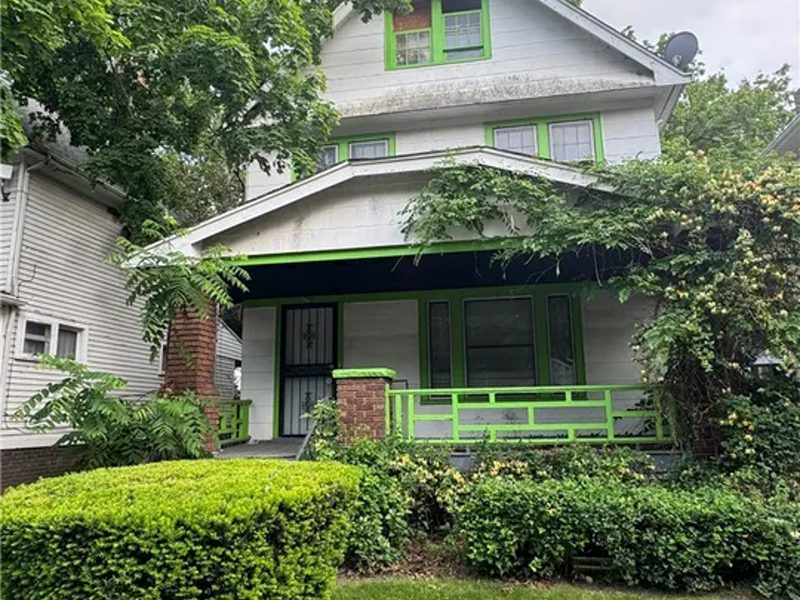
Cleveland OH
3 bd · 1 ba · 1,256 sq ft · 1920
$45,500HUD FMR $1,490/mo

HUD Fair Market Rent by zip. Estimates, not cashflow. Verify independently.
Before you call anybody, look up one number. HUD publishes a Small Area Fair Market Rent for that ZIP code. For this one it’s $1,490 a month.
You didn’t negotiate that number, estimate it, or pull a comp. HUD published it, and any of the 3,500 investors in that buyer community can check it on HUD’s own site before he replies to you.
That’s $17,880 of published rent for the year against a $45,500 asking price. Not profit, and not cashflow. Published rent.
So, three questions.
- Do you agree a buyer with cash, criteria and training moves faster on a house he can check against a published chart than on one he has to underwrite for a week?
- Do you agree the fastest way to learn what a buyer wants is to ask 3,500 people who already wrote it down?
- Do you agree a house nobody wants at $45,500 isn’t a cheap house, it’s an expensive mistake?
That’s the method. You’re not persuading anybody. You’re matching supply into a shortage that already has money sitting in it.
“I’m not ready yet” isn’t a reason. It’s a symptom of the wrong order.
Where your money comes from.
I’ll say this plainly, because the page would be dishonest without it and almost nobody in this business says it out loud.
You don’t buy the house. You put it under contract at a price that works, and then you assign that contract to one of the 3,500 buyers. The buyer closes. Your name comes off the paperwork at the closing table and you get paid a fee for producing the contract.
That fee is a negotiation between you and your buyer on every deal, so I’m not printing a number here, and I’d be careful with anybody who does. What decides it is the price you agreed with the seller, and how many buyers want that house.
Which is the entire reason the order matters. Buy-box first, published rent second, price third, seller last. You’re not guessing what a house is worth to a buyer. You’re finding out first, and then agreeing a price.
45 minutes. Nothing is charged on this site and no payment details are taken.
Sixteen houses, active on the S8 Deal Finder board on September 7, 2026.
One per city. Every figure below is on that board.
-
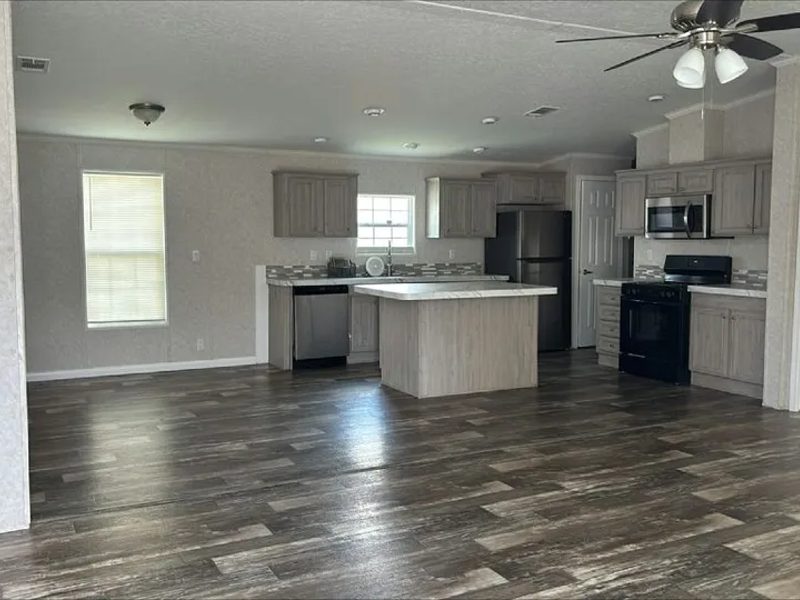
Jacksonville FL
3 bd · 2 ba · single family · 2020
$51,900HUD FMR $2,370/mo
-
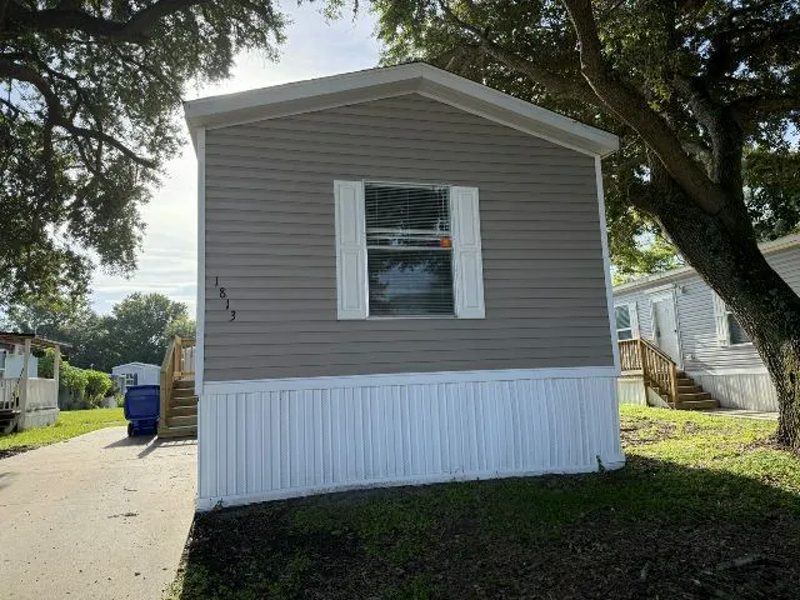
Orlando FL
3 bd · 2 ba · 1,056 sq ft · 2015
$59,900HUD FMR $2,260/mo
-
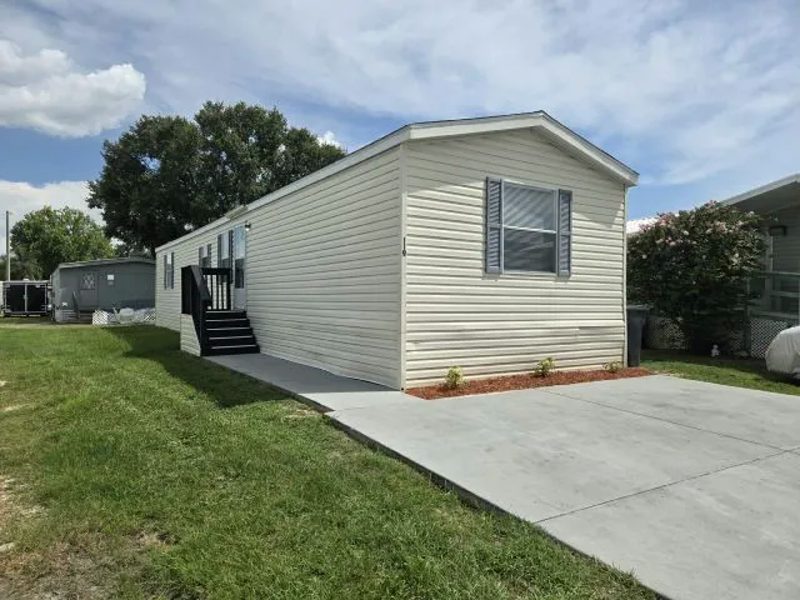
Tampa FL
3 bd · 2 ba · 1,056 sq ft · 2017
$60,900HUD FMR $2,210/mo
-
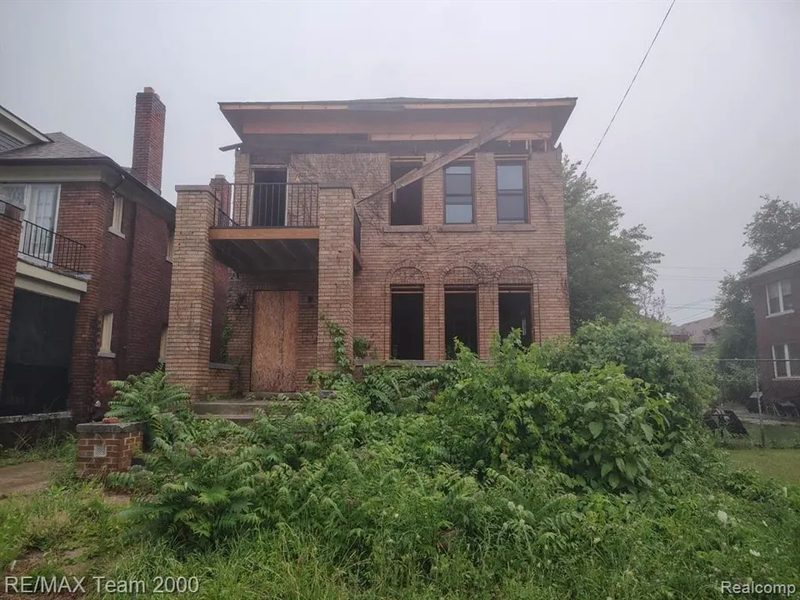
Detroit MI
4 bd · 2 ba · 2,554 sq ft · 1963
$50,000HUD FMR $1,930/mo
-
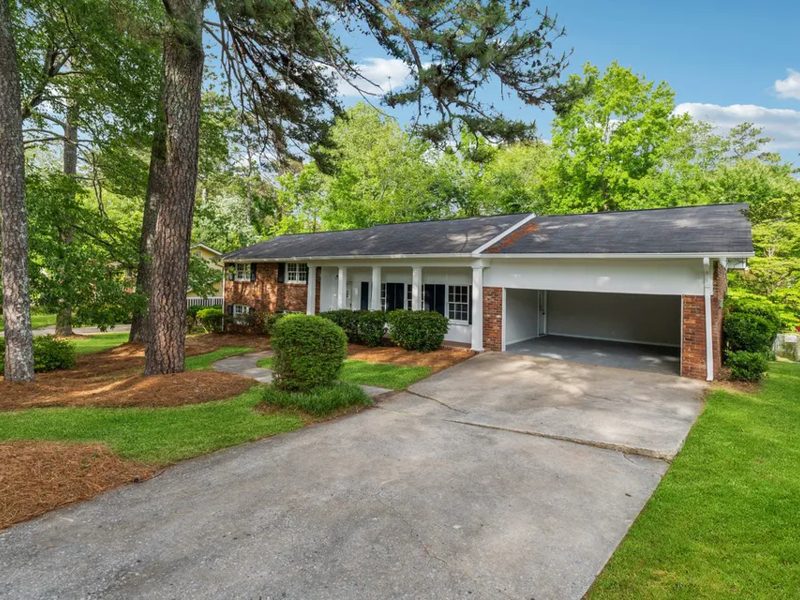
Atlanta GA
4 bd · 3 ba · single family · 1960
$50,000HUD FMR $1,920/mo
-
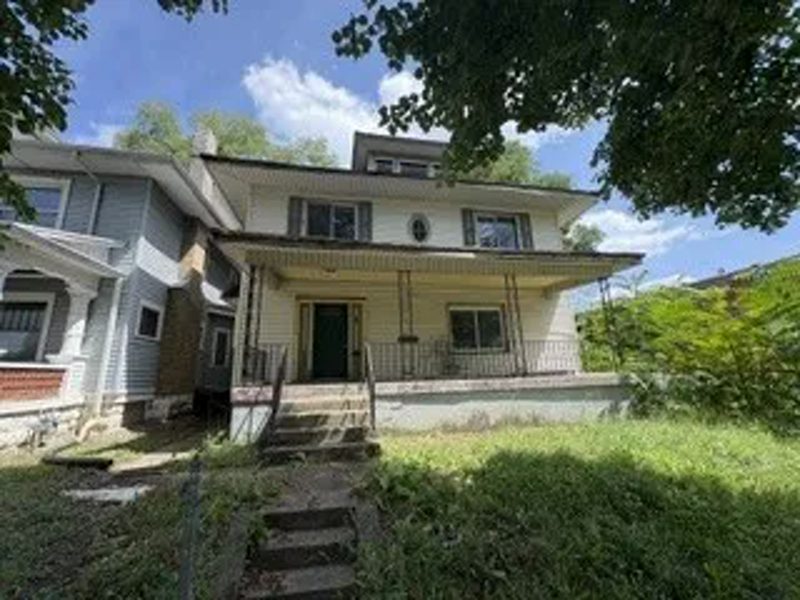
Dayton OH
4 bd · 3 ba · 2,228 sq ft · 1907
$49,999HUD FMR $1,910/mo
-
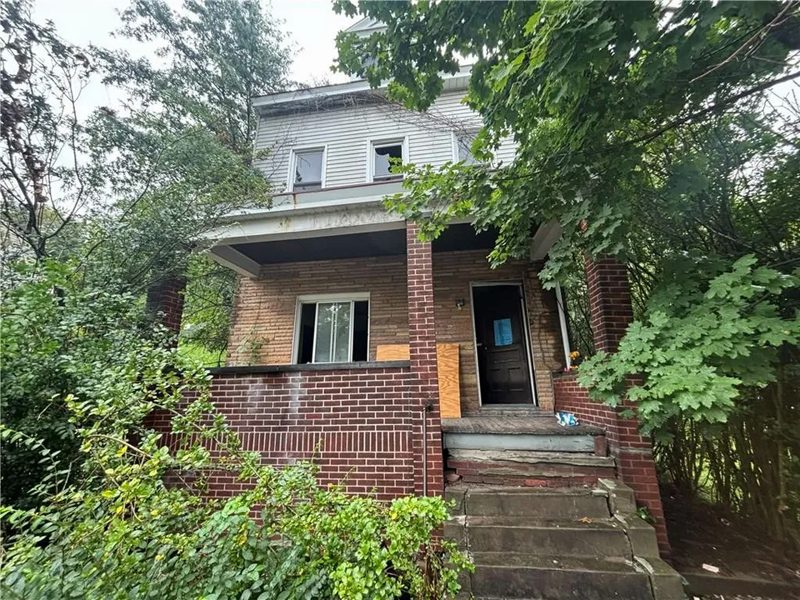
Pittsburgh PA
4 bd · 1 ba · 1,600 sq ft · 1910
$50,000HUD FMR $1,860/mo
-
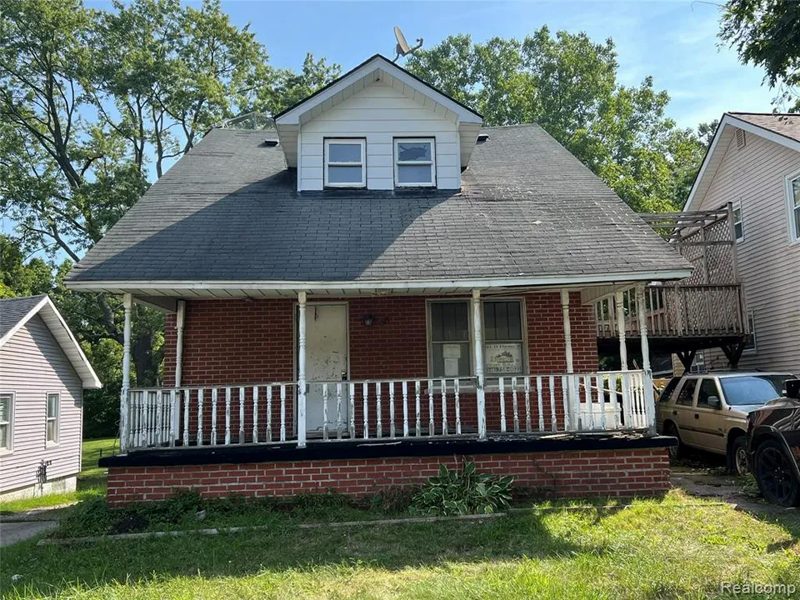
Pontiac MI
4 bd · 2 ba · 1,869 sq ft · 1960
$48,000HUD FMR $1,660/mo
-
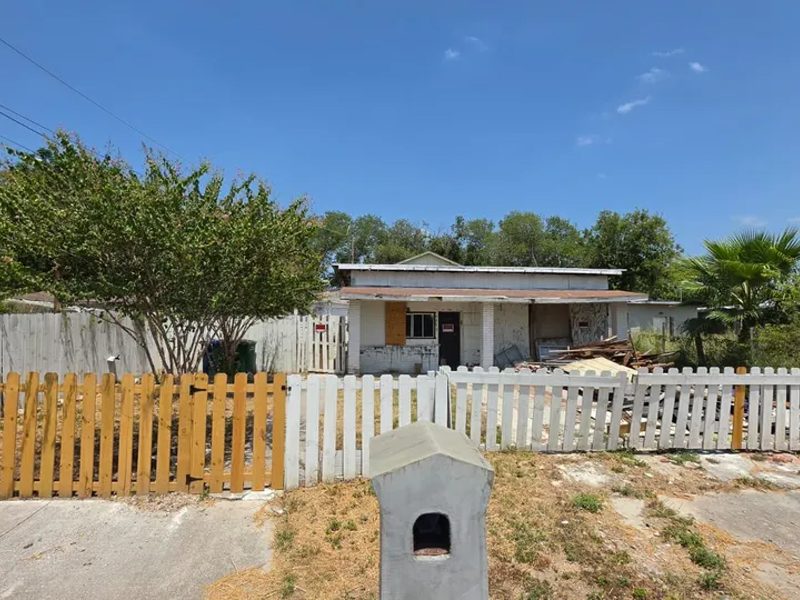
San Antonio TX
3 bd · 2 ba · 2,000 sq ft · 1956
$45,000HUD FMR $1,570/mo
-
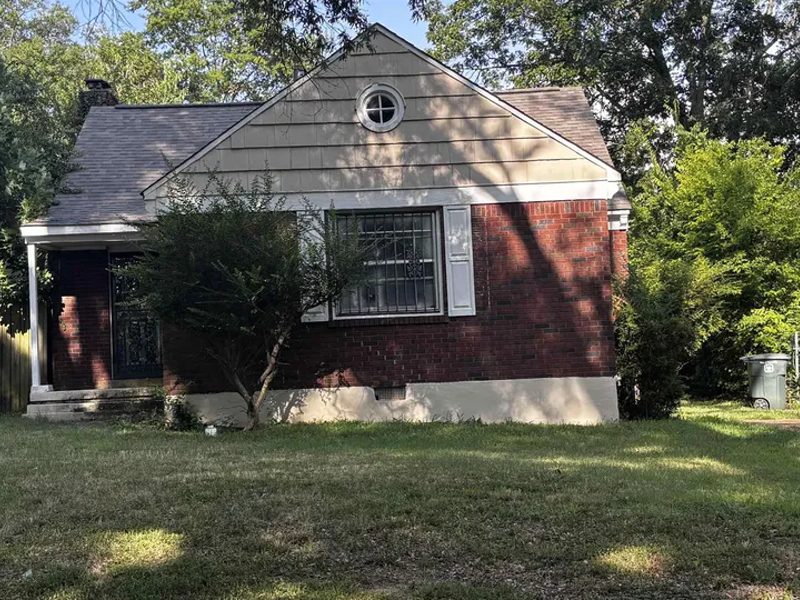
Memphis TN
3 bd · 1 ba · 1,200 sq ft · 1933
$47,000HUD FMR $1,520/mo
-
Cleveland OH
3 bd · 1 ba · 1,256 sq ft · 1920
$45,500HUD FMR $1,490/mo
-
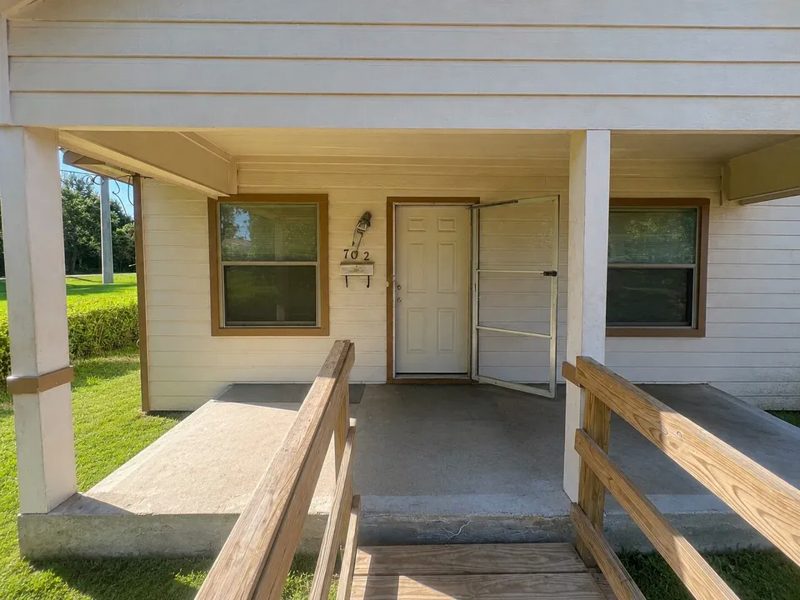
Houston TX
3 bd · 1.5 ba · 1,176 sq ft · 1920
$45,000HUD FMR $1,440/mo


| City | List price | Beds | HUD SAFMR |
|---|---|---|---|
| Jacksonville, FL | $51,900 | 3 | $2,370 / mo |
| Orlando, FL | $59,900 | 3 | $2,260 / mo |
| Tampa, FL | $60,900 | 3 | $2,210 / mo |
| Chicago, IL | $45,000 | 4 | $1,980 / mo |
| Detroit, MI | $50,000 | 4 | $1,930 / mo |
| Atlanta, GA | $50,000 | 4 | $1,920 / mo |
| Dayton, OH | $49,999 | 4 | $1,910 / mo |
| Pittsburgh, PA | $50,000 | 4 | $1,860 / mo |
| Buffalo, NY | $50,000 | 4 | $1,750 / mo |
| Pontiac, MI | $48,000 | 4 | $1,660 / mo |
| Saint Louis, MO | $50,000 | 4 | $1,640 / mo |
| San Antonio, TX | $45,000 | 3 | $1,570 / mo |
| Memphis, TN | $47,000 | 3 | $1,520 / mo |
| Cleveland, OH | $45,500 | 3 | $1,490 / mo |
| Houston, TX | $45,000 | 3 | $1,440 / mo |
| Louisville, KY | $45,000 | 3 | $1,410 / mo |
Sixteen cities. $45,000 to $60,900. Three and four bedrooms. Published rents from $1,410 to $2,370 a month.
Yes, these are real, and here’s exactly what they are not. That rent column is Fair Market Rent as published by HUD. It isn’t cashflow and it isn’t profit. Taxes, insurance, management, vacancy and repairs all come out of it. I show you the number the government prints because it’s the one number in this business nobody has to take your word for.
The board is free to browse before you apply.
Open the live board (opens in a new tab)
HUD Fair Market Rent by zip. Estimates, not cashflow. Verify independently.
That was the supply side. Here’s the side you’ve never been shown.
Section 8 Karim
Founder, Section 8 Training
Figures published by Section 8 Training at s8training.com. They describe one person’s portfolio, not a projection of anyone else’s result. Nothing on this page promises you an income.
His students are the 3,500 buyers this program sources for.
Those 3,500 people paid to learn how to buy this asset class. Capital, criteria, training, and between them 2,500 to 3,000 deals a quarter of appetite. What they don’t have is contracts.
One more thing, before you go looking for it.
There is no wall of student screenshots on this page. This program is new, and the honest position is that I’d rather show you a HUD chart you can verify than a testimonial you can’t. When members have results worth printing, with names on them and permission to use them, they’ll go here. Until then the proof on this page is the sixteen houses above, the HUD numbers under them, and a board you can browse for free without giving me anything.
Most people think the scarce thing in this business is a distressed house.
It isn’t, and it hasn’t been for years.
Here’s the arithmetic that should bother you. There are 10,000+ screened live listings on our board right now, across 185 markets. There are 3,500+ trained buyers who want 2,500 to 3,000 deals a quarter. More listings than demand. So why is anybody short of anything?
Because a listing isn’t a deal. A listing is a public address with an asking price, and every one of those 3,500 buyers can already see it. What none of them can do from a screen is get a seller on the phone, agree a number that leaves room, and put the house under contract.
That’s the shortage. Not houses. Not buyers. Signed contracts at a price that works, and the person willing to make the calls to produce one.
Everyone taught people to buy Section 8. Nobody taught anyone to source it.
You’ve been competing for the thing there’s a warehouse full of, and walking past the job there’s a line for.
Your hustle is the diamond. You’ve been standing in the street holding it, and blaming the diamond.
45 minutes. We run a real listing, one you pick, while you watch.
The five failures
When somebody tells me wholesaling didn’t work for them, these are the five things I find, usually inside ten minutes, out loud, on a call.
-
01
The Empty Rolodex
You went looking for a house before you knew who buys houses. So every deal gets sold twice: once to a seller, once to a buyer you haven’t met. That second sale eats your inspection period.
There’s an order that removes it, and it involves no new Facebook groups.
-
02
The Retail Rent
You underwrote against a rent estimate from a consumer listing site. Your buyer underwrites against the HUD Fair Market Rent for that ZIP, and on this asset class those two numbers can point opposite ways.
There’s a published chart that settles it before you dial.
-
03
The Wrong Map
The house was fine. The state was the problem. Landlord and tenant law decides whether a funded buyer will touch a property at all, which is why the buy-box is 24 landlord-friendly states.
Source outside them and you’re doing correct work in a place where the answer is no.
-
04
The Buy-Box Kill
You got twelve days in before you found the HOA, or the condo association, or the price that was never going to clear.
Every one of those is a filter that runs on day zero, before the call instead of after the contract.
-
05
The Slow Yes
The seller said yes and you took nine days. Every day between an accepted offer and a signed contract is a day somebody talks them out of it. There’s a defined path from property to signed in under 7 days, and the part most people get wrong isn’t the one they think.
How long it actually takes depends on the seller and on your follow-through.
How many of those five did you just recognize in yourself?
Three or more isn’t a character problem. It’s a sequence problem, and a sequence is the easiest thing in the world to change.
And everything above is why I asked you near the top of this page not to book if you want passive income, if you want it done for you, or if paying for this would be rent money. That still stands, and it’s more obvious now than it was then.
I already took a wholesaling course
You probably did, and most of it is correct.
Those playbooks were written for a market where the buyer was the easy part: post a distressed house in three groups and cash buyers appear. That’s never been true here. A Section 8 buyer isn’t buying a flip, he’s buying a rent schedule: a state, a price band, a bedroom count, and a rent number he can look up.
And yes, can’t you just ask an AI for a list of motivated sellers? You can, and you’ll get a beautiful list nobody wanted. It doesn’t know which 24 states your buyers close in, doesn’t know the buy-box, and can’t tell you what HUD publishes for that ZIP. We use AI hard for first contact and follow-up. That’s where it earns its keep.
I don’t want to chase people
Good. Neither do I.
Every wholesaler I know who quit, quit because of the chasing: the address sent to eleven people who didn’t ask for it, the fourth follow up, the group post that sinks. That’s what happens when you have something to sell and nobody waiting for it.
One honest question: did this page feel like the last program page you read?
Who is running this.
Mikhail Kravtsov
Section 8 Deal Flow
I’m Mikhail Kravtsov. I take these calls alongside the team, and I’d rather do 45 honest minutes with you than sell you something you can’t use.
My day job is operating partner at Orbius Capital Group, a real estate private equity firm. Public track record there:
Those are the firm’s numbers, not mine, and it’s private equity, not wholesaling. I’m telling you where I work, not claiming I did that with a Section 8 assignment. What I do here is take these calls and run these numbers with people, every week.
I’m not going to teach you a mindset. On the call I open the board and run the numbers on a property you pick. If a deal you bring is bad, I say so while you’re still on the phone. That’s the entire format.
What Section 8 Deal Flow actually includes.
If the call goes well, this is what you get access to. Nine things.
- Platform access.S8 Deal Finder: 10,000+ screened live listings across 185 markets, inside the buy-box before you see them: 24 landlord-friendly states, under $300K, no condos, no HOA.
- AI sourcing agents.First contact, qualification and follow-up, so your hours go into live conversations only.
- Every sourcing tool.Lists, off-market, agent outreach, direct-to-seller and driving. One tool each, in one platform, not six subscriptions you stitch together.
- The 7-Day Contract Path.Six steps from pulling the deal to signed in under 7 days: pull, AI first contact and qualification, your live call, the analyser, the offer, signed. Timelines depend on the seller and your follow-through.
- The deal analyser.Numbers run against HUD FMR and SAFMR for that ZIP, not a consumer site’s guess.
- Contracts and templates.So your first assignment isn’t also your first legal document.
- Deal review before you send.A human reads a deal before it reaches buyers. This is the part people skip and then wonder why nobody replied.
- Buyer access.The 3,500+ investors in the Section 8 Training community, who between them want 2,500 to 3,000 deals a quarter.
- Community and weekly calls.Live, ongoing, with people doing the same work in other markets.
Market figures describe the market, not any individual’s results. Verify every number independently.
I’m not going to put a countdown on this page. There isn’t one.
There are two real limits and neither is manufactured. The first is the calendar. Every slot is 45 minutes with a person on the other end, Monday to Friday, and it only opens three days out, so you’re picking from this week and a bit of next, not from a month.
The second matters more. Every property a member submits goes out to 3,500 buyers with this company’s name on it. That’s why there’s an application instead of a checkout, and why some people get told no. An order form can’t do that.
45 minutes. You’ll know what it costs before you’re asked for anything.
Before you apply
How much is it?
It is a paid program with a payment plan available, and it is application only. The exact figure is covered on the call, in the last ten minutes, after we have worked out whether it fits. Nothing is charged on this site, no payment details are taken on the application, and terms are given to you in writing before anything is paid.
Is there a pitch on the call?
Yes, in the last ten minutes, and only if the first thirty-five say it fits. I’d rather tell you now than surprise you at minute 36. The rest is your situation and a live look at the board, and you keep that either way.
Why an application and a call instead of a buy button?
Because deals you submit go out to 3,500 investors with our name on them. A checkout can’t screen for whether you’ll pick up the phone, and this business is phone calls.
Do I need money, a license, or deals already closed?
No license, no closed deals, and sourcing costs hours and phone calls rather than capital. You do need to be able to pay for the program, which is why cash is a question on the application. Brand new is fine. “I won’t make calls” is not.
I’m already sourcing and doing fine. Is this beneath me?
Probably the opposite. Your ceiling is your buyer list, and this is where the room you sell into is 3,500 trained buyers instead of the list on your phone. Bring your pipeline and we’ll look at what it’s worth against that buy-box.
I bought a wholesaling course already. Is this the same thing?
No. A course teaches you to find a house and then find a buyer. This runs the opposite order into a buyer community that already exists, with the platform, the tools and the AI agents attached. The tactics you paid for still work. They just point somewhere better.
Do I have to live in one of the 24 states?
No. Be anywhere in the US. Those 24 states are where the properties are, because that’s where these buyers close. Sourcing is done by phone and by tool, not by driveway.
What happens if you tell me no?
You get told on the call, with the reason, and you keep the buy-box, the rent read and the board. Most no answers are about hours or money being too tight. Both of those change. If yours does, apply again.
The next thing you do about wholesaling ends one of two ways.
Ending one
You go find another house and spend fourteen days looking for somebody to sell it to.
Ending two
Or you spend 45 minutes on the phone working out whether you can supply a market that’s short 2,500 to 3,000 deals a quarter, and go find that instead.
Worst case, you give up 45 minutes and leave with the buy-box, the rent read, and a board you can browse for free. Best case, you find out what it looks like to work the other way round.
The buyers already exist. That’s the whole point. You’re not building demand. You’re supplying it.
I bring the platform, the tools, the AI and the buyers. You bring the work.
Mikhail Kravtsov
Section 8 Deal Flow
45 minutes, and you keep the buy-box and the rent read whichever way it goes.